Tips & guides
How to Save Money on Google Ads and Paid Advertising
You save money on paid advertising by giving each campaign one clear goal, blocking searches that never bring customers and measuring real enquiries rather than clicks. Start with small tests and move budget only to what has proven itself.
Last updated:

Decide what a result is worth before you spend
Before you commit a single pound to Google Ads, you must establish the value of a successful lead. For a locksmith or plumber, this involves looking at the average job value and the profit margin associated with it. If you do not know what you can afford to pay for a phone call or a form submission, you risk spending more to acquire a customer than the job is actually worth.
- Calculate the average revenue from different service types such as emergency call-outs versus installations.
- Factor in the lifetime value of a customer who might use your electrical or HVAC services again.
- Subtract your operational costs and desired profit to find your maximum allowable cost per lead.
- Compare this target against your actual spend weekly to ensure the maths remains sound.
Start small and scale what works
It is tempting for a trades business to try and cover every possible service and postcode immediately, but this often leads to a diluted budget that yields few results. A more effective approach is to launch with a modest test budget and a narrow focus. By starting small, you can gather data on which specific terms, such as boiler repair or emergency lock changes, actually result in bookings.
- Begin by targeting only your highest-margin services to ensure early profitability.
- Use phrase match keywords initially to gather data without being too broad.
- Monitor which times of day produce the most responsive leads before expanding your schedule.
- Only increase daily spend when you have at least two weeks of positive performance data.
Block wasted spend with negative keywords
One of the quickest ways to lose money in paid search is by appearing for searches that are irrelevant to your trade. For example, a plumber does not want to pay for clicks from people searching for plumbing apprenticeships or DIY plumbing tools. Add negative keywords for searches you don't want, exclude placements that never convert, and limit locations to the areas you genuinely serve.
- Build a robust negative keyword list including terms like jobs, training, free, and cheap.
- Exclude competitor brand names if you find they lead to high bounce rates and low conversions.
- Use radius targeting to focus specifically on the postcodes your vans can reasonably reach.
- Review your location reports to see if certain towns are clicking but never booking.
Review search terms and placements every week
The digital landscape for tradespeople changes rapidly. New competitors emerge, and the way customers phrase their problems evolves. Budgets leak quietly through irrelevant clicks that might seem related but lack intent. A short weekly review catches waste early, while it is still cheap to fix. By looking at the actual phrases people typed before clicking your ad, you can refine your targeting in real time.
- Set a recurring calendar invitation to spend thirty minutes reviewing the Search Terms Report.
- Check the Display Network placements to ensure your ads are not appearing on low-quality websites.
- Look for high-performing long-tail keywords that you can break out into their own specific campaigns.
- Identify and remove keywords that have high click-through rates but zero conversions over a thirty-day period.
Fix the landing page before raising the budget
Many business owners believe that the solution to low leads is simply to buy more traffic. However, if visitors don't convert, more traffic only costs more. A clearer page, faster loading and a simple contact form often cut the cost per lead more than any campaign tweak. Your website must immediately answer the visitor's question: can you fix my problem, and how do I contact you?
For an electrician or HVAC technician, this means having a prominent phone number and a clear call to action above the fold. If a user has a leaking pipe or a broken boiler, they are likely stressed and using a mobile device. If your site is hard to navigate or slow to load, they will leave and click on a competitor's ad instead, costing you the click fee and the potential job.
- Ensure your mobile site speed is optimised, as most emergency trade searches happen on phones.
- Use clear, professional images of your team and branded vehicles to build immediate trust.
- Keep contact forms short, asking only for essential details like name, phone number, and service needed.
- Include visible testimonials or accreditation logos near the contact button to reassure the lead.
Pause what doesn't pay — quickly
Emotional attachment to certain keywords or ad copy can be a silent profit killer. You might feel that a specific high-volume term should work, but if the data shows it is not converting into calls or bookings, it must be stopped. Give each test a fair chance, then switch off the losers. Keeping weak ads running 'just in case' is one of the most expensive habits in paid advertising.
Successful advertising for trades is about efficiency. You are looking for the shortest path between an ad click and a technician being dispatched to a job. If a particular campaign or keyword is consistently underperforming compared to your other ads, redirect that budget to the areas that are already showing success. This ensures your total spend is always working as hard as possible.
- Establish a minimum number of clicks or impressions as a baseline before judging an ad's performance.
- Compare different ad variations against each other and pause the one with the lowest conversion rate.
- Do not be afraid to pause entire service categories if they are seasonally quiet or currently unprofitable.
- Reinvest the saved budget into your top-performing keywords to capture more of the market share.
Optimise for local search intent
Local intent is the backbone of advertising for locksmiths, plumbers, and electricians. Users often include their town or 'near me' in their searches. Ensuring your ads and landing pages reflect this local focus can significantly improve your click-through rates and lower your costs. When a potential customer sees their specific town mentioned in an ad, they are much more likely to believe you can help them quickly.
Beyond just the ad text, make sure your extensions are fully utilised. Location extensions and call extensions allow users to see your address and call you directly from the search results page without even visiting your website. This reduces friction in the customer journey and can lead to a much higher conversion rate for mobile users who need help urgently.
- Include local town names in your headlines to increase relevance for the user.
- Use call extensions to make it as easy as possible for emergency customers to reach you.
- Ensure your Google Business Profile is linked to your ads account for better local visibility.
- Create specific landing pages for major towns in your service area to improve the Quality Score.
More articles
 Google Ads Best Practices: What to Do in Every Campaign
Every Google Ads campaign should start with working conversion tracking, keywords that match the service and a landing page that answers the search exactly. After launch, review search terms weekly and decide monthly what to scale and what to stop.
 Common Google Ads Mistakes (and How to Avoid Them)
The most common Google Ads mistakes are running without conversion tracking, matching keywords too broadly, sending everyone to the homepage and judging results too early. You avoid them with organised tracking, negative keywords and a landing page for each service.
 How Do ChatGPT Ads Work, and Are They Worth It?
ChatGPT Ads are clearly labelled ads shown below ChatGPT answers, managed through OpenAI's Ads Manager and targeted by conversation context rather than exact keywords. They are worth testing when your service comes up in those conversations, the format is available in your country and you measure real leads.
- How Much Does Google Ads Cost for a Small Business?
There is no fixed price: what Google Ads costs a small business depends on competition in your trade and area, how well the campaign is built and how management is charged. Media spend and management fees are separate, so understand both before you start.
 Are Bing Ads Worth It for Small Businesses?
Yes, for many small businesses Bing Ads are worth it, because Microsoft Advertising reaches an additional audience, often at a lower cost per click than Google. If you already run Google Ads you can import your campaigns and start on a small budget.
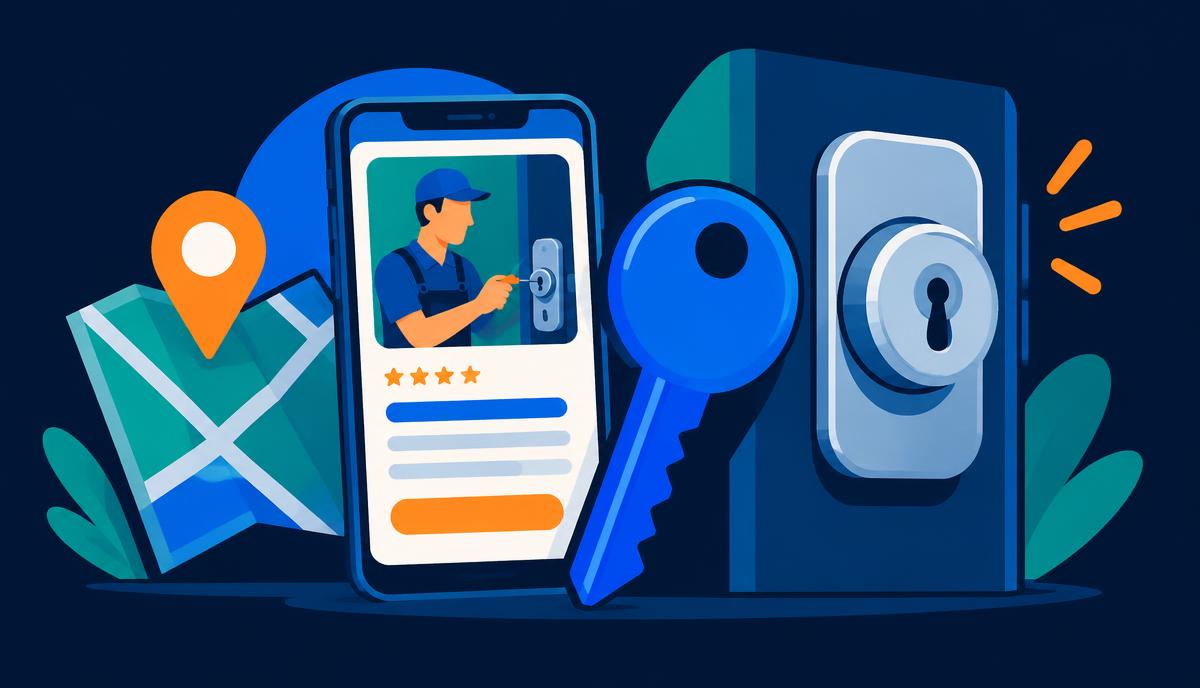 How to Advertise a Locksmith Business and Get More Emergency Calls
A locksmith gets more emergency calls by appearing at the top of Google and Maps in their service area, with ads that invite a call and a phone that is answered immediately. Keep emergency work separate from planned jobs and block do-it-yourself searches.
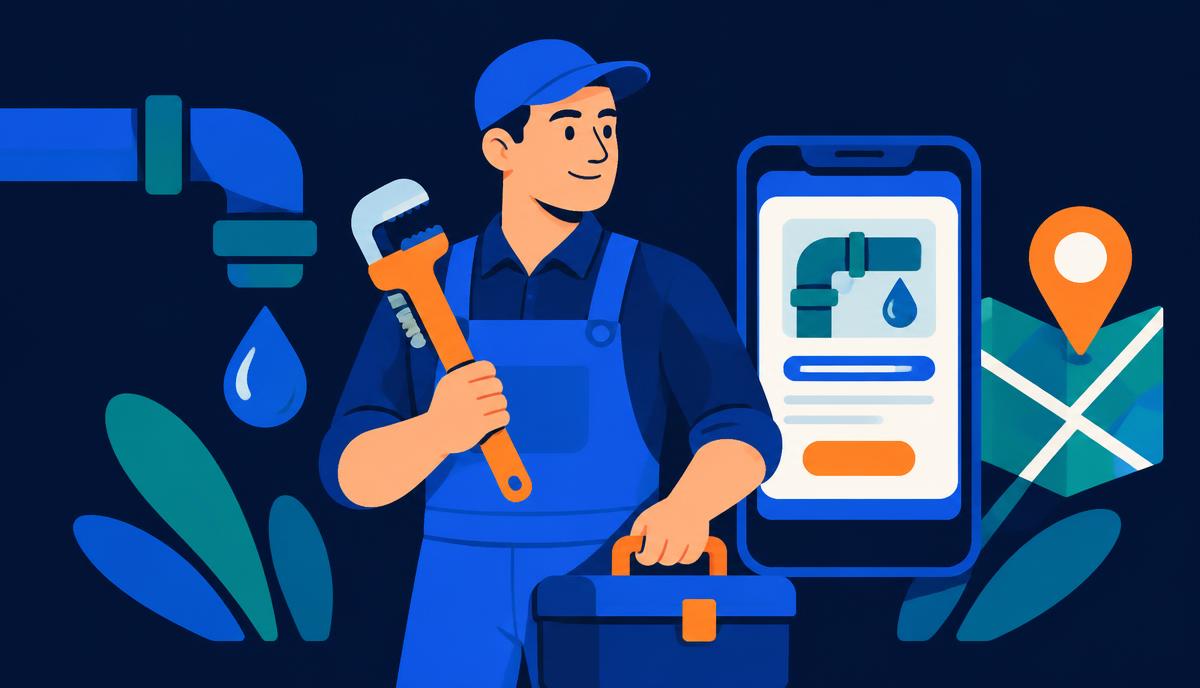 Google Ads for Plumbers: How to Get More Plumbing Jobs
Plumbers get more jobs from Google by splitting campaigns by job type — emergencies versus planned work — and targeting each to their service area. Block irrelevant searches and measure which calls actually became jobs.
 How to Get More Electrician Jobs with Google Ads
Electricians get more jobs from Google Ads by running separate campaigns for urgent faults, planned installations and commercial clients. Ads that show credentials, plus tracking of real enquiries, show where the budget should go.
 Advertising for Heating and Air Conditioning Businesses: Planning Around the Seasons
Heating and air conditioning businesses advertise year-round by planning budgets around the seasons, increasing spend in hot or cold spells and reducing it in quiet periods. Separate repairs from installations, and keep existing customers through service and maintenance plans.
 What Happened to Google Guaranteed? The New Google Verified Badge Explained
Google Guaranteed has been replaced by the Google Verified badge, and Local Services Ads are gradually moving inside Google Ads. You still pay per lead, and you still need to pass verification to get the badge.
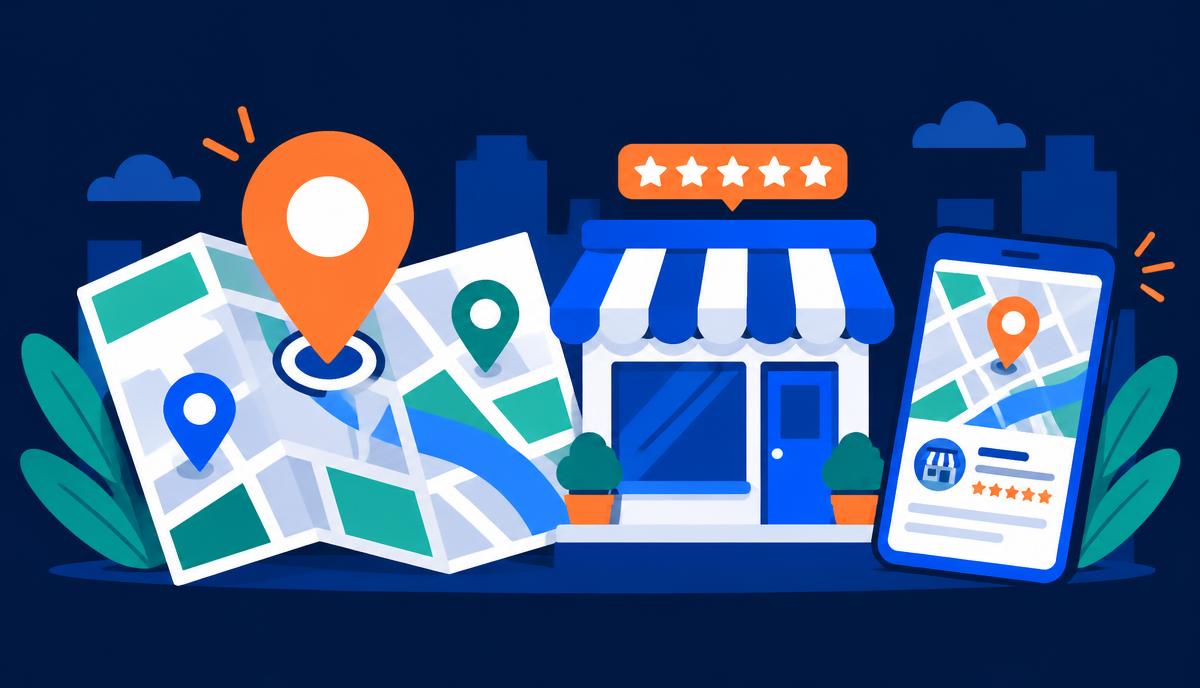 How to Advertise on Google Maps and Show Up in 'Near Me' Searches
To show up in 'near me' searches on Google Maps you need a complete, verified Business Profile, genuine reviews and local ads linked to that profile. The profile decides whether you appear; the ads help you appear when competition is high.
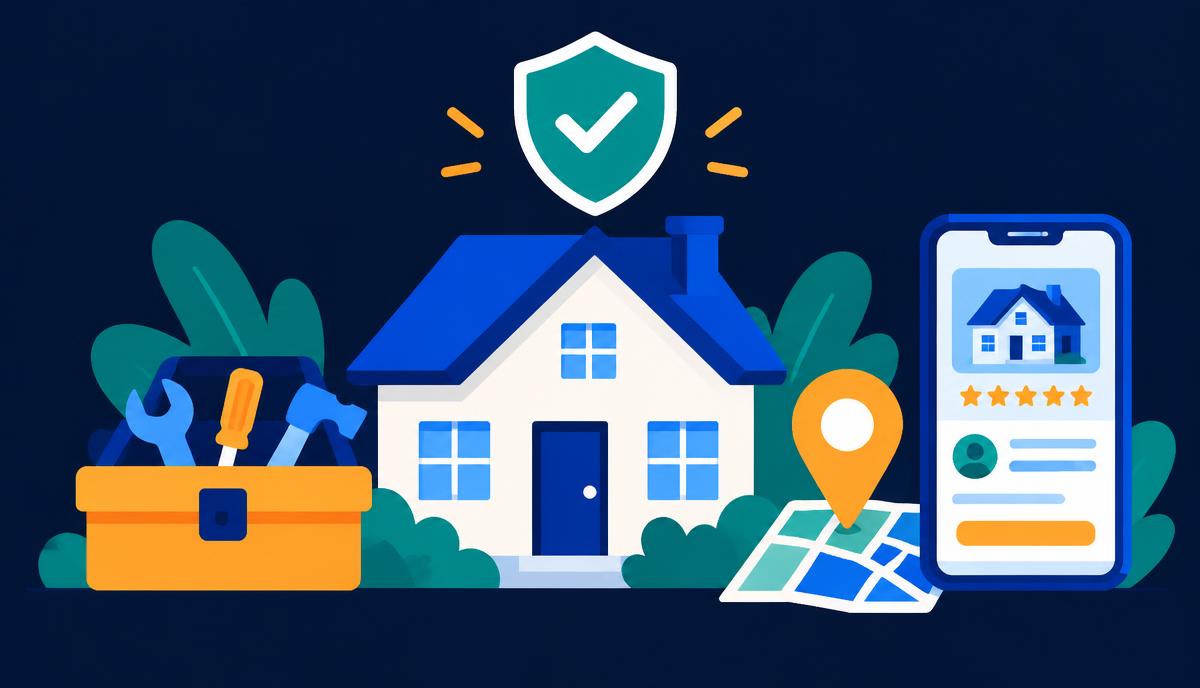 What Are Google Local Services Ads, and Are They Worth It for Trades?
Google Local Services Ads are ads at the top of Google for verified tradespeople, where you pay per lead rather than per click. They are worth it mainly for businesses that pass verification, answer the phone quickly and keep good reviews.
 Call Tracking for Trades: From Phone Call to Job Profit, and Back to Google Ads
You know how much profit each call brought by linking the call to the job in your job system and calculating profit after materials, labour and travel. Then send that value back to Google as an offline conversion so the campaign learns to bring more profitable jobs.
- How to Set Up and Update a Google Business Profile: A Guide for Trades
You create a Google Business Profile by searching for your business name or going to business.google.com, setting your service areas and verifying, usually by video. You update it from Google Search or the Google Maps app.
 How to Get Your Trade Business Listed in Local Directories (UK Guide)
Get listed in local directories using the same business name, address and phone number everywhere, starting with the most important directories in your country and trade. Consistent listings help customers and Google trust the business, without paying for promises.
- How to Run Google Ads Alongside Local Services Ads on One Budget (and What to Expect)
Combine the two by letting Local Services Ads capture leads at a per-lead price while a search campaign covers services and areas they do not. Split one monthly budget by demand for each job type, and expect results to improve gradually rather than on day one.
- What Do You Need for Local Services Ads? Requirements and Job Types by Trade
Before a Local Services Ads campaign, prepare the licence and insurance documents Google requires for your trade, your service areas, opening hours and a list of job types. This preparation shortens verification and prevents leads for work you do not do.
- What Do Chat Ads Look Like? ChatGPT Ads Examples for Trades
Chat ads look like a short card marked 'Sponsored' below an answer, with a headline, one line of text and a button. A good chat ad answers exactly the question asked in the conversation, as the trade examples on this page show.
 AI receptionist for law firms: answering every enquiry without missing a client
An AI receptionist answers a law firm's calls when the team is in court, in meetings or closed, collects initial-check details and books a consultation. It gives no legal advice, and urgent matters are transferred straight to a solicitor.
 AI voice agent for clinics: bookings and calls when the front desk is busy
An AI voice agent for clinics books and reschedules appointments when the front desk is busy or closed, within the calendar rules the clinic sets. It gives no medical advice, and urgent calls are passed to a person or emergency services.
Let's Find the Right Approach for Your Business
Tell us what you're trying to achieve and we'll suggest a sensible starting point.